
Rendering
Extensive ranges of through colour render systems
Rendering is a fantastic product that is known to increase the overall value of your property, especially when combined with insulation. Our local team are experts in the industry with many years of experience, helping our clients upgrade their properties and stand-alone external walls. No project is too big or too small for our team, and we work with clients in the commercial and domestic sectors. Whether you are looking to repair or upgrade existing render or add rendering to brickwork/stone walls, get in touch with our team to arrange for your free quote.

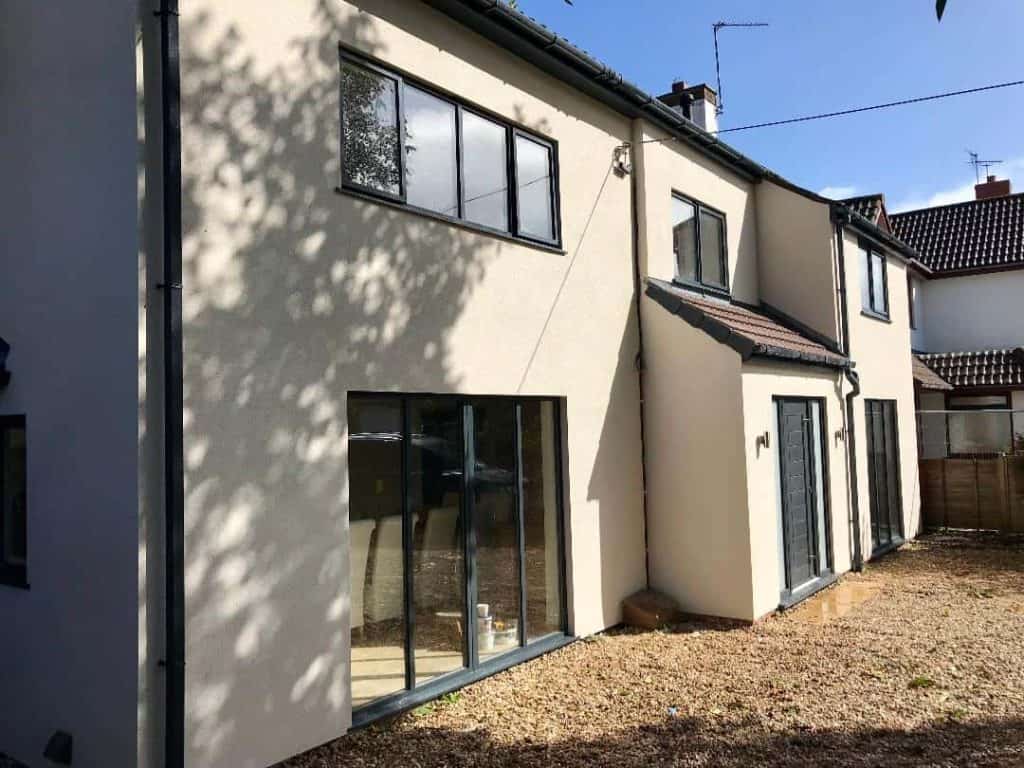
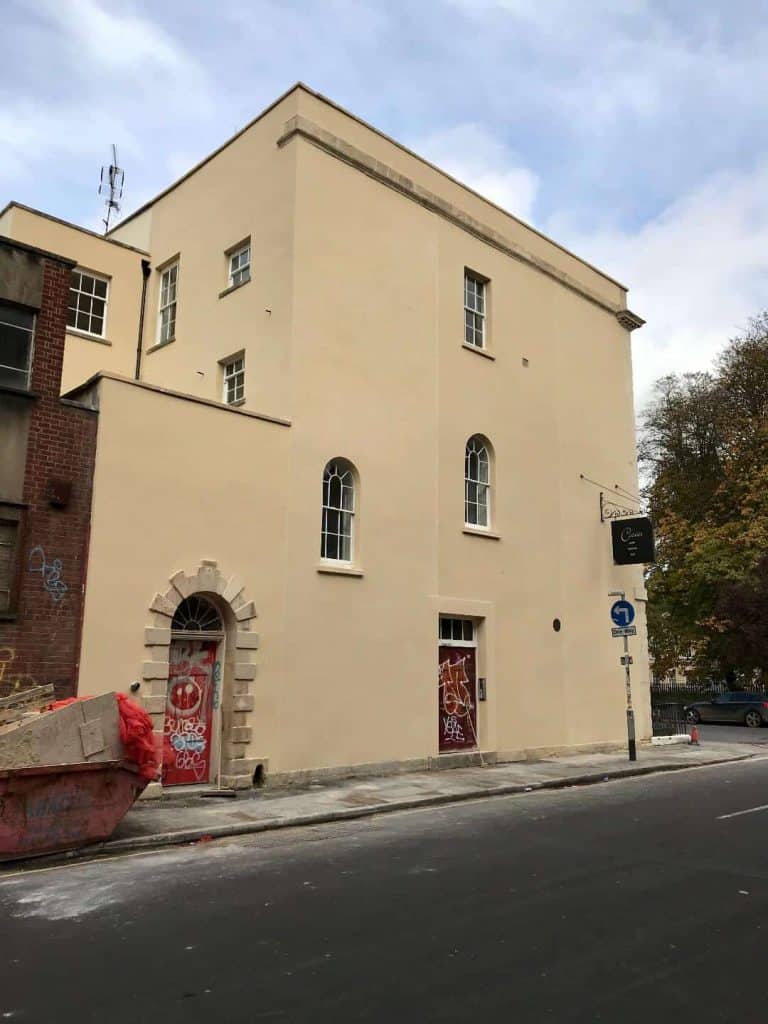
Insulation Rendering Gloucester
Insulating your external walls is a great way to save money on your energy bills and is known to increase property value. This benefits homeowners and massively benefits commercial properties (as they tend to use more energy each day and per year). Insulation combines perfectly with rendering, as you are able to insulate the inside of the wall and then apply the rendering to protect the insulation from the elements.
Up to 35% of all the heat in your property in the winter is lost through your walls. When your heating is on, this makes the system less efficient and makes it cost more to run. This is because walls absorb heat from your heating and also allow the cold to permeate through the walls into your property. If you combine insulation rendering with other insulation products, such as loft insulation and upgrading windows and doors, you can see significant savings in your energy bills.
Increasing the Overall Value Of Your Property With Render
We are experts at commercial rendering and have supported a wide range of businesses with rendering for commercial properties. Commercial properties can benefit from rendering to improve the look of the property to clients and the public, as well as increase the insulation of the building. Businesses can massively benefit from energy bill savings from investing in insulation for their commercial properties.
We work with a number of commercial clients and businesses to enhance their external walls. Insulation rendering has become highly popular because it increases property value and saves money on energy bills. Get in touch with our team to find out more about how much you can save on energy bills and how you can benefit from rendering for your commercial property. To get your free quote.
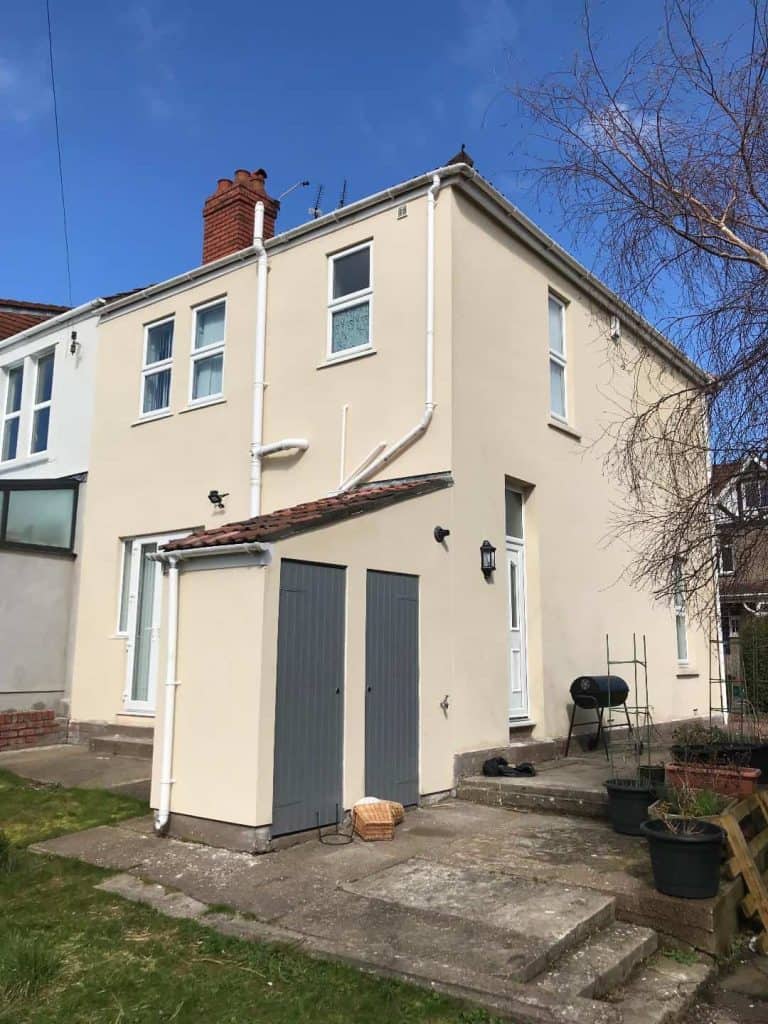
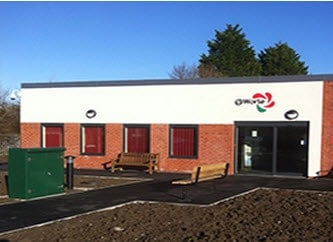
Commercial Rendering Gloucester
We work closely with a number of different businesses in Gloucester to provide them with rendering services for their properties. Whether you need to upgrade a wall outside your premises or external walls with insulation, we have you covered. Rendering is a great way to improve your commercial property and looks better for your customers, staff and members of the public where relevant.
Insulation is very important for all buildings, and you can see significant reductions on your energy bills. You are also making your commercial property more energy effecient too, which increases your green credentials. Find out more about how much you can save with render and get in touch with a member of our commercial rendering team.
When is it Time to Upgrade or Replace Your Current Render?
Many projects involve upgrading and enhancing the current render on residential or commercial properties. This is where our expertise comes into play – we can improve your current render or provide a complete replacement when required. There are multiple signs that your render might need attention or replacement.
Wall cracking is one of the primary reasons property owners seek render repair or replacement. Cracks make walls appear worn and tired, while damage to this protective layer can leave your building vulnerable. When wall insulation shows through render damage, replacement or improvement becomes crucial.
Bulging and soft patches represent another clear sign that render needs repair or replacement. These issues suggest the adhesion has failed, which allows moisture to get in and damage the wall. This leads to various potential problems, especially with structural walls, requiring render removal and new system installation. Damp areas on walls often appear with this particular problem.
Testing your render by tapping with a hammer or chisel helps determine if the render still has proper adhesion to the wall. This is useful since damage between rendering and wall surfaces isn’t always obvious. Hollow sounds when tapping usually indicate the render needs re-adhesion, which typically means improving your old render.
In serious cases, rendering damage can affect the wall’s structural integrity. We assist all clients by preparing the existing render for improvement, or we can remove the render when we arrive, before applying new rendering. We offer render consultation and can review photographs to provide professional advice. Whether your rendering needs repair or improvement, we work on both commercial and residential properties. Contact our team today to arrange your free, no-obligation quotation.
Rendering is often combined with insulation, such as internal wall insulation or external wall insulation, to significantly improve the efficiency of properties. As up to 35% of a property’s heat is lost through inefficient walls, upgrading your external walls with insulation saves you money on your energy bills and is well known to increase overall property value.
Rendering is used to improve the appearance of property exteriors and walls that aren’t attached to properties. There is a wide range of finishes to choose from, allowing you to select your desired style. This also increases property value by making your property more attractive to buyers when it’s time to sell.
Rendering makes your property look better, which makes it more popular when it’s time to sell. If your walls are showing signs of wear and tear or just don’t look new anymore, rendering massively improves the property’s appearance, making it more appealing when it’s time to sell. It will also make the property look better when it’s time to advertise it.
Combining rendering with external wall insulation (insulation rendering) saves you money on your energy bills, thereby increasing your overall property value. This is particularly the case for commercial buildings, which can save more on energy bills because they use much more energy each day than homes do. Get in touch to arrange for your free quote.
One of the most popular uses for rendering is to replace, repair or upgrade the current render. If your wall already has rendering, you will know it is appropriate, and you can upgrade your render whenever you want or when a problem arises.
If you are considering rendering your walls or are interested in external wall insulation, it is used on brick or stone walls. We can advise you on whether your walls are appropriate for rendering. These are usually on houses from the late Victorian period or slightly later for external walls. Most external walls are built out of brick or stone, so they are appropriate for rendering. Get in touch to find out more if you have any questions about your current walls.
Up to 35% of all heat loss is due to inefficient walls. Walls absorb heat, which makes it much hotter in the winter, and they also absorb heat from heating systems – meaning it takes longer and takes more energy to heat the home in the winter. External wall insulation is added as an inner layer to the rendering, which is how we insulate properties with rendering.
The render is then applied to keep the insulated layer protected from the elements. This keeps your property insulated. As you will save a significant amount on your energy bills in the winter, this also increases your property’s overall value. When combined with other insulation measures, this can result in substantial savings over many years.
If your render becomes chipped or damaged, it can cause environmental damage to the insulation material. You should also regularly inspect your walls for mould build-up, damp patches, or warping. This could also indicate that water has penetrated the insulation, reducing its efficiency over time. Lightly tapping the render can also indicate if it’s become unbonded; if you can hear hollow sounds when you tap it. You can lightly tap the render with a chisel or hammer.
Insulation rendering, or external wall insulation, is a great way to insulate your home, as up to 35% of winter heat loss can be caused by poor wall insulation. Once you invest in exterior insulation, you should also consider additional insulation. You should consider loft insulation, which can further improve heating efficiency, as well as upgrades to glazing, windows, and doors.
When you combine all these insulation methods, you can expect significant savings on your energy bills, helping you achieve a faster return on your investment. As energy prices are always changing, locking in a good rate will save you a lot of money in the long run. You can also consider investing in other energy-efficient products, such as solar panels for your home, to improve efficiency and save money each year.
We have financing options available to help offset the initial investment cost. This allows you to pay for your insulation rendering or external wall insulation with manageable monthly repayments, rather than paying for your installation in a one-off payment. You can then make immediate savings on your energy bills, which are offset by your monthly payment, allowing you to enjoy your rendering without paying upfront. Contact our team for your free quote.
Older-style brick or stone properties in the historic areas of Gloucester are likely to be protected by conservation areas, Article 4 status, or listed building status. We have carried out many projects in Gloucester where additional permissions are required before rendering can be installed in the property. We will work with you to arrange any required permissions and obtain planning permission (if needed) for your rendering project.
Yes, Gloucester homeowners can access several energy-efficient grants, such as the Warm and Well scheme, the Warm Homes: Local Grant and LA Flex. These can partially or fully fund external wall insulation and insulation rendering.
Warm and Well & LA Flex are managed by the Severn Wye Energy Agency on behalf of Gloucester City Council. Through “LA Flex” (Local Authority Flexibility), the council can broaden the eligibility criteria for government ECO funding. This means you may qualify for free or heavily subsidised insulation, depending on your household income or health conditions. Even if you don’t receive standard government benefits.
Yes, you can technically paint over modern render if you want to change the colour. We typically recommend this if the render becomes worn over time, but you should choose the colour you want for the property for the majority of the render’s lifetime. You can recolour the rendering, but we always recommend replacing the entire rendering, because if it’s looking old, it’s likely the render isn’t as effective as it could be.
Rendering is often used to repair external walls and improve their appearance. Damaged or old walls can ruin the image of your property, as it’s the first thing that people see, as well as other areas such as the front door. Rendering is ideal for brick or stone walls and can be used to enhance or repair them.
If your walls are severely damaged, that’s the clearest sign they need repair. Old render can become cracked and damaged, requiring repair. You can also check your walls for damp spots, and if your property isn’t as well insulated as it could be, you will massively benefit from insulation rendering. The old insulation can fail as well. Check the wall to see if it’s hollow by lightly tapping it with a hammer or the handle of a chisel.
You can take some steps to prepare for rendering before our team visits your property. If you are confident, you can remove the rendering layer with a chisel or a power scraper, if you have access to one. If you are not confident in preparing the wall for rendering, then we can handle this when we arrive at the property. We can advise you on this and will be more than happy to prepare and handle all rendering if that is easier for you.
Yes, scaffolding is typically needed for multi-story rendering projects if you need to access higher areas of the property to apply and install your render. This ensures that we can fully access your property and keeps everything compliant with health and safety regulations. We will organise all scaffolding where needed and include this in your quote.
For a standard house, the rendering process will take around 7 to 14 working days from the initial start of the project. This will depend on the size of the property, the complexity of the project, and the rendering system you choose. We will provide you with accurate timescales during your project. It’s important to note that rain or severe weather will delay a rendering project. We will also advise you on the weather and whether it may cause delays during your project.
Gloucester has a two-tier system. At the local level, it is governed by Gloucester City Council, which handles day-to-day services specific to the city. Gloucestershire County Council is the upper-tier authority for the county. They are responsible for several core higher-level tasks. Gloucester City Council is responsible for planning permission and building projects relevant to rendering projects. If you live in Quedgeley, you also have a third tier of local government: the Quedgeley Town Council, which handles very local community matters.
When planning a rendering project in Gloucester, you are governed by the Gloucester City Plan (Adopted 2023) and the Residential Design Guide. Gloucester has a significant amount of historical architecture and several designated Conservation Areas. Because of this, and if your property is in this category or in one of these designated areas, rendering can sometimes require full planning permission.
Yes, Gloucester has 14 Conservation Areas (e.g., The Docks, Spa, Hucclecote). In these zones, you generally cannot render previously unrendered brick or stone without permission. Apart from the main areas, other notable areas include Southgate Street, London Road & Barton Street.
The City Centre “Gate Streets” is the most significant zone, covering the historic Roman and Medieval architecture.
Key Areas: Northgate, Eastgate, Southgate, and Westgate Streets. It includes the Greyfriars and Blackfriars areas.
Rendering Notes: Rendering is almost always restricted to protect exposed timber frames, historic brickwork and other key features.
Gloucester Docks are a world-renowned example of a Victorian inland port.
Key Areas: The massive multi-storey red-brick warehouses (e.g., Herbert, Kimberley, and Llanthony Warehouses).
Rendering Notes: The industrial look and aesthetic of the exposed red brick is protected. Smooth rendering would likely be rejected; it would need to match the aesthetic and may be highly difficult.
The Spa contains the city’s finest Regency and Victorian architecture, centred around Gloucester Park.
Key Areas: Large villas and terraces (like those on Spa Road) that were designed when Gloucester was a brief rival to Cheltenham as a spa town.
Rendering Notes: Many buildings already have stucco, an older type of render. Repairs or new rendering must match the precise texture and lime-based composition of the Regency finish.
Barbican & Cathedral covers and surrounds Gloucester Cathedral and the historic prison site.
Key Areas: College Green, Berkeley Street, and the area around St Nicholas Church.
Rendering Notes: The area is very close to Grade I listed structures, such as the Cathedral. Because of this, any visual changes are subject to exceptionally high scrutiny by the council to ensure they don’t clash with the historic buildings.
Denmark Road is a primary residential conservation area which was added in 2008.
Key Areas: High-quality Victorian and Edwardian housing near the High School for Girls.
Rendering Notes: The council requires conformity with the red-brick terraces in this area.
Hucclecote & Hempsted feature the village areas that were eventually absorbed into Gloucester.
Key Areas: Older cottages and traditional farm-style buildings. Scattered around the outskirts of the main city.
Rendering Notes: Traditional lime is often encouraged over K-Rend.
Visit the Gloucester City Council Conservation Areas page. You can search for your address, and by toggling the “Layers” or “Constraints” menu, you can tick “Conservation Areas” to see if your property is shaded.
Article 4 is a legal tool used by the council to remove permitted development rights if you live in a specific heritage Article 4 area (St Michael’s Square, Southgate Street Conservation Area) or you are converting a house into an HMO. To check, review your deeds; they will inform you. Go to the Gloucester Planning Portal, type in your address, and look for “Constraints.” If “Article 4” is not listed there, it generally does not apply to your property’s physical alterations. Most Article 4 directions in Gloucester heritage areas only apply to the front of the house, so you can still render the side or back of the property or external walls.